

The rapid explosion of Pickleball nationwide has created unprecedented learning demand. However it has also brought a troubling issue: Pickleball coaches are emerging everywhere to the point where it feels like anyone can claim to be an instructor.
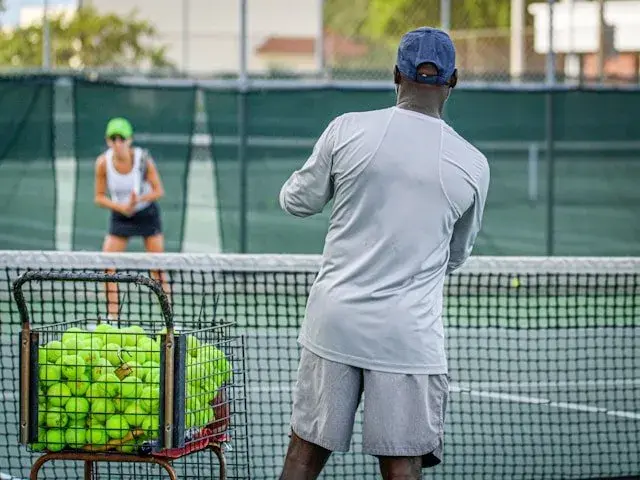
Many individuals from unrelated fields have transitioned into coaching after only weeks or months of playing. IT engineers former recreational tennis players or beginners with a handful of basic strokes are now opening classes. The financial appeal is undeniable with lesson fees ranging from 250 to 500 thousand VND per hour and monthly earnings reaching tens of millions.
But Pickleball coaching is far more complex than basic ball striking. The sport requires deep understanding of tactical systems footwork patterns doubles strategy and pedagogical skills to teach effectively. Borrowing methods from other racquet sports often leads to incorrect technique and misunderstanding of Pickleball’s unique structure.

Vietnam currently lacks official Pickleball training programs within sports universities. Only a few international certification courses, such as PRR and RPO have been introduced, and while they offer solid training the number of certified coaches remains small. This gap has allowed a wave of unqualified instructors to fill the market.
As a result learners face a maze of misleading advertisements promising mastery in ten sessions, guaranteed skill upgrades, or rapid improvement. Yet Vietnam does not have a standardized ranking system like DUPR making the concept of “improving level” vague and easily exploited.
The inability to distinguish trained coaches from inexperienced ones puts learners at real risk: improper technique, flawed tactical foundations, and potential injury from incorrect instruction.
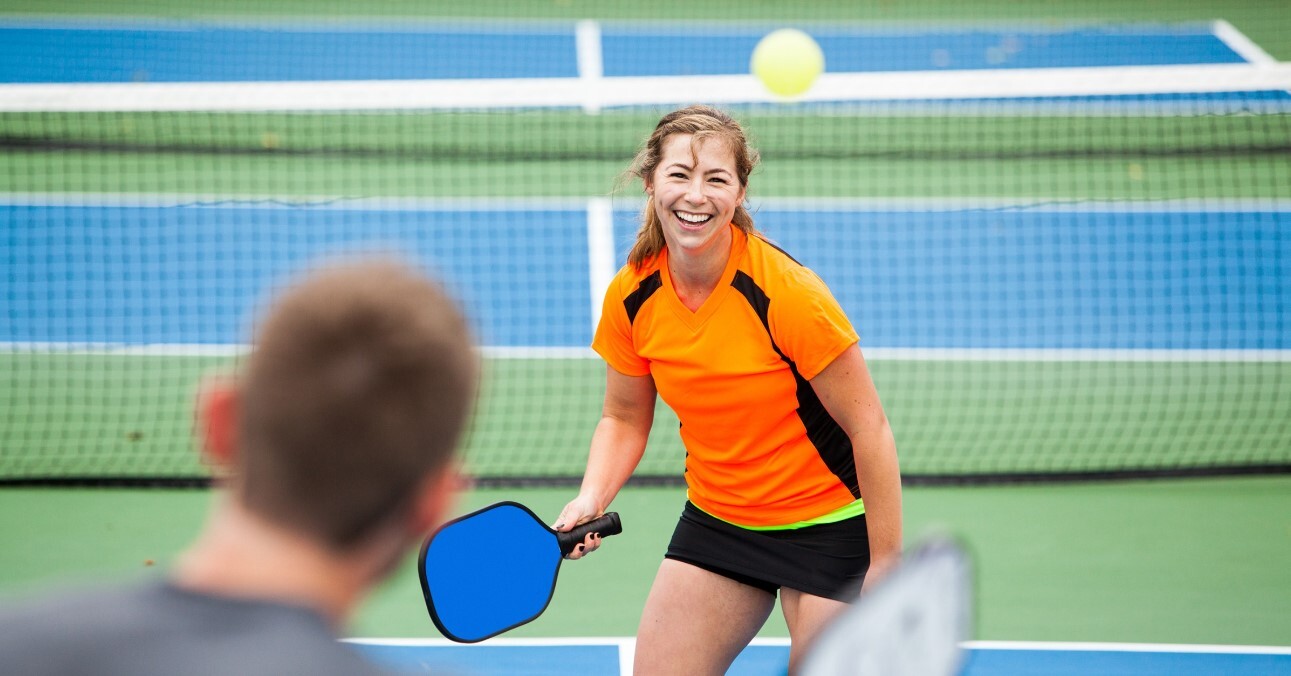
Vietnamese Pickleball is on a strong upward trajectory, but without proper coach standardization, its long-term development may be undermined. Establishing clear professional criteria, transparent certification, and structured training pathways is essential to protect learners and sustain the sport’s growth.
Comments